The Royal Bengal Tiger is more than just India’s national animal; they are the pride of the jungle and the Indian subcontinent. Bengal tigers are majestic, powerful, and deeply symbolic. This apex predator has helped shape ecosystems, inspired civilizations, and always stood as a symbol of courage and resilience for thousands of years, not just in India, but all over the world. Today, while their roar still echoes across India’s wilderness, they also remind us of our responsibility to protect a species that has endured centuries of change, conflict, and conservation. Let’s dive in and learn all about the royal Bengal tiger in our blog.
History of Bengal Tigers in India: Mythological Significance to Conservation Success Stories
The story of the Bengal tiger is closely interwoven with Indian culture and ecological history by many great philosophers and literates. In ancient mythology, the tiger was seen as a companion of the goddess Durga and even as a godlike being like Narsimha, while in real life, it was feared as a savage king. It has always been respected. But unfortunately this respect was replaced by exploitation over time, but determined conservation efforts have given the species hope again.
Ancient India: Mythology, Folklore, and Royal Symbol
In India, the tiger was not just an animal in ancient mythology, it was a sign of royalty & divinity. Hindu mythology portrays Goddess Durga riding a tiger, which represents that she and her companion both were fearless, strong, brave, and victorious over evil. The tiger was a symbol of controlled strength and righteous anger, a creature that personified the balance between devastation towards evil and protection of the weak.

In central and eastern parts of India, folk tales portray tigers as spiritual entities who are the guardians of the forest & who can punish greed and reward kindness. Many tribal groups thought of tigers as ancestors or guardians of the forest and treated them with respect instead of terror. Many kings and warriors all around the world used to see the tiger as a symbol of bravery, power, and strength.
Decline in Tiger Population in the 19th and 20th Centuries
India’s jungles used to be home to about 40,000 to 50,000 Bengal tigers at the turn of the 20th century, although this is not a fact but an estimated guess. Mughal emperors also used to hunt tigers, but it was mostly for show and not very often. It was during British colonial rule that the true destruction began.
People in India were told that tigers were pests and that they should be hunted for money, which encouraged many hunters and poachers. The sad part is that it was just for fun, status, and money; British officers and royals murdered thousands of tigers. As agriculture, railroads, and cities grew, they destroyed huge forest corridors, which affected tigers, causing them to face habitat loss. By the middle of the 20th century, the number of tigers had dropped to very low levels.
India had fewer than 2,000 tigers left by 1972, which put the species in danger of going extinct. What used to be a sign of strength & courage had become a victim of human entertainment.
Project Tiger and Its Success Story
After recognizing the crisis about the Bengal tiger population decline, the Government of India initiated a game-changing initiative, Project Tiger in 1973, one of the world’s most ambitious wildlife conservation programs. The objective was clear: protect Bengal tiger habitats, eliminate poaching totally, and allow tiger populations to recover naturally.
A total of 9 dedicated tiger reserves were created in 1973 under Project Tiger in order to provide special conservation status to Bengal tigers, human disturbances were regulated and limited to a minimum, and scientific monitoring began. Despite early challenges they faced, Project Tiger gradually transformed India into a global leader in big-cat conservation. Project Tiger demonstrated that even a species on the brink of extinction could recover in the wild with political will, scientific planning, and community support.
Current Population of Tigers: A Story of Hope & Success
Today, India is home to nearly 75% of the world’s wild tiger population. From the crisis of the 1970s to consistent population growth, the Royal Bengal tiger stands as a rare conservation success story. Today, this recovery of Bengal tigers in India reflects decades of efforts, sacrifices by people and local communities, persistence, & strong-dedicated will towards wildlife conservation. But it also reminds us that conservation is an ongoing responsibility, not a one-time initiative.
| Year | Estimated Tiger Population in India |
|---|---|
| 1973 | ~268 |
| 2006 | 1,411 |
| 2010 | 1,706 |
| 2014 | 2,226 |
| 2018 | 2,967 |
| 2022 | 3,167 |
Physical Characteristics of the Bengal Tiger
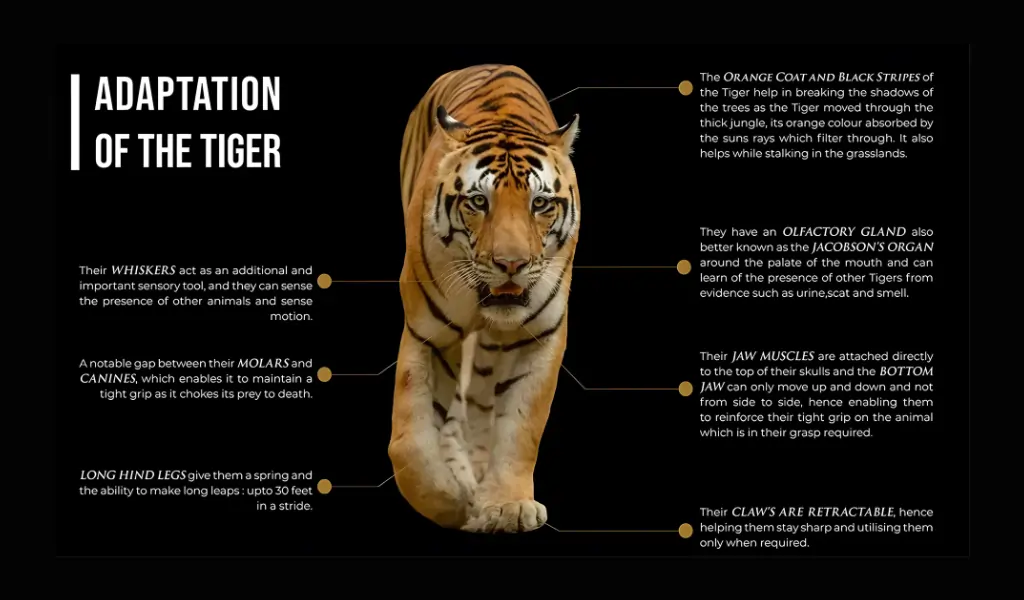
The Royal Bengal tiger is without a doubt India’s top predator. They are one of the biggest and strongest cats in the world because they have a strong body, excellent senses, and unrivaled strength against other big cats. Every part of their body, from their striped coat to their huge paws, is made to help them survive and be the best predator in the wild.
Size, Weight, and Life Span in the Wild
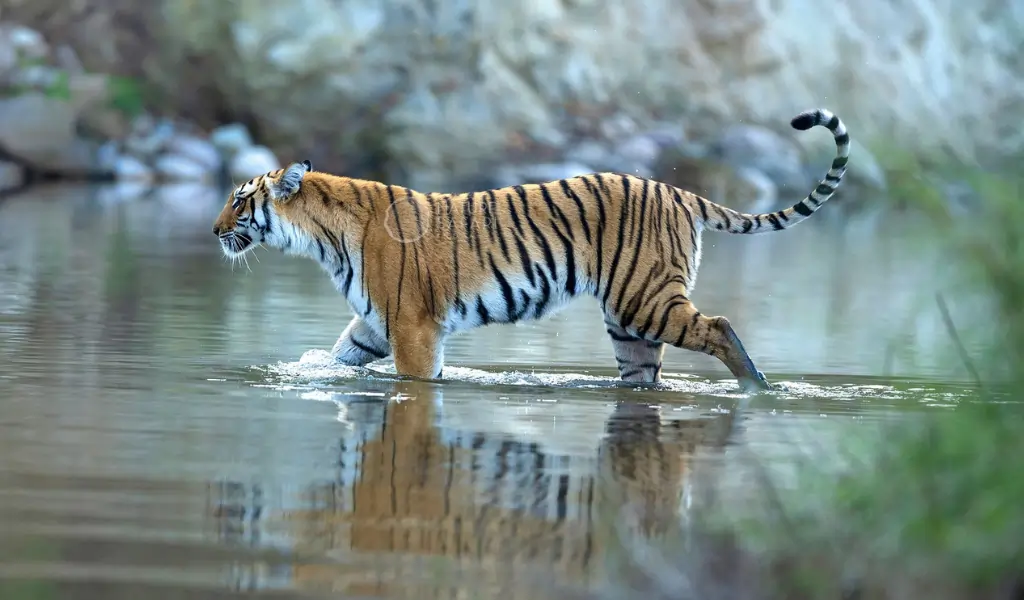
In the wild, an adult male Bengal tiger typically measures up to 240 cm to 310 cm, their height is around 75 cm to 110 cm, and they weigh between 100 and 260 kg. Bengal tigers live from 10 years to 15 years, depending on their territory quality and survival threats.
Fun fact – the largest recorded tiger in India was a male from central India, and it is estimated that he weighed around 300 kg, showcasing the extraordinary potential of a Bengal tiger’s growth when habitat and prey are abundant.
Male vs. Female Physical Differences
In comparison with female Bengal tigers, male Bengal tigers are much bigger and heavier and have wider heads & thicker necks. Females are more adaptable and live a little longer than males. Since male Bengal tigers sometimes fight over territory, they get seriously injured or even killed after fights, which shortens their lives. Whereas females are the most important for reproduction and the survival of cubs, which gives them a natural instinct to survive and adapt.
| Physical Attribute | Male Bengal Tiger | Female Bengal Tiger |
|---|---|---|
| Average Length (head to tail) | 270–310 cm | 240–275 cm |
| Average Height (at shoulder) | 90–110 cm | 75–95 cm |
| Average Weight | 180–260 kg | 100–160 kg |
| Average Life Span (Wild) | 10–12 years | 12–15 years |
Territory Marking Patterns
Tigers are extremely territorial creatures. They mark their boundaries of their territory by:
- Scent spraying (urine mixed with gland secretions)
- Scratching trees
- Droppings and vocalizations
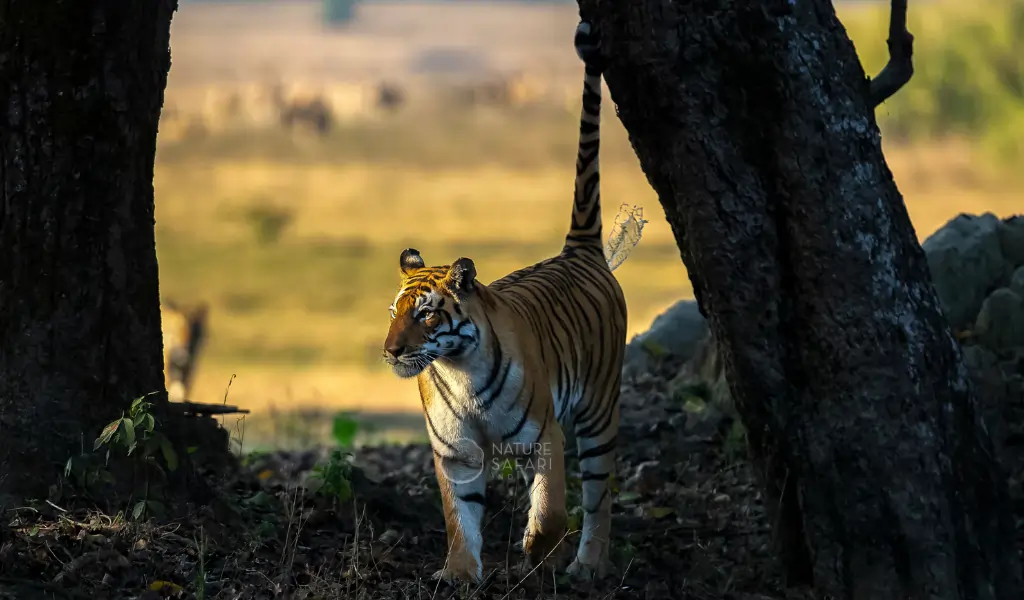
Their scent glands are located near the cheeks, paws, and base of the tail. These markings help avoid unnecessary conflict and maintain balance within tiger populations.
Habitat Distribution, Hunting & Social Patterns
Do you know, Bengal tigers can survive in a wide range of environments, which makes tiger safaris in India a very unique experience. The tiger acts differently in different types of landscapes which include grasslands, dense forests, hilly areas, and even mangrove jungles.
Key Habitats Where Bengal Tigers Are Found
-
Dense Forests like Kanha, Bandhavgarh, Pench
-
Grasslands & Dry Deciduous Forests like Ranthambore, Tadoba
-
Mangroves like Sundarbans (home to swimming tigers)
-
Hilly & Moist Forests like Corbett, Dudhwa
Each habitat shapes the tiger’s hunting style, territory size, and behavior differently.
Hunting Techniques and Nature of Hunting
Bengal tigers hunt alone and depend on their stealth, patience, and speed to catch their prey. They pursue their target quietly, utilizing plants to hide, and then bite them in the neck or throat to kill them. Tigers hunt alone, unlike lions. Each successful kill is a matter of life and death for them.
They like to hunt at dawn or dark, and they might go days without food before they catch something.
Social Behavior & Breeding Cycle of Tigers
Tigers are solitary animals; however, they do spend time with other tigers when they mate or when a mother tigress raises her offspring to offer protection and support. Females set up territories that are shared by a number of males. After roughly 3.5 months of pregnancy, females have 2 to 4 cubs in their litter.
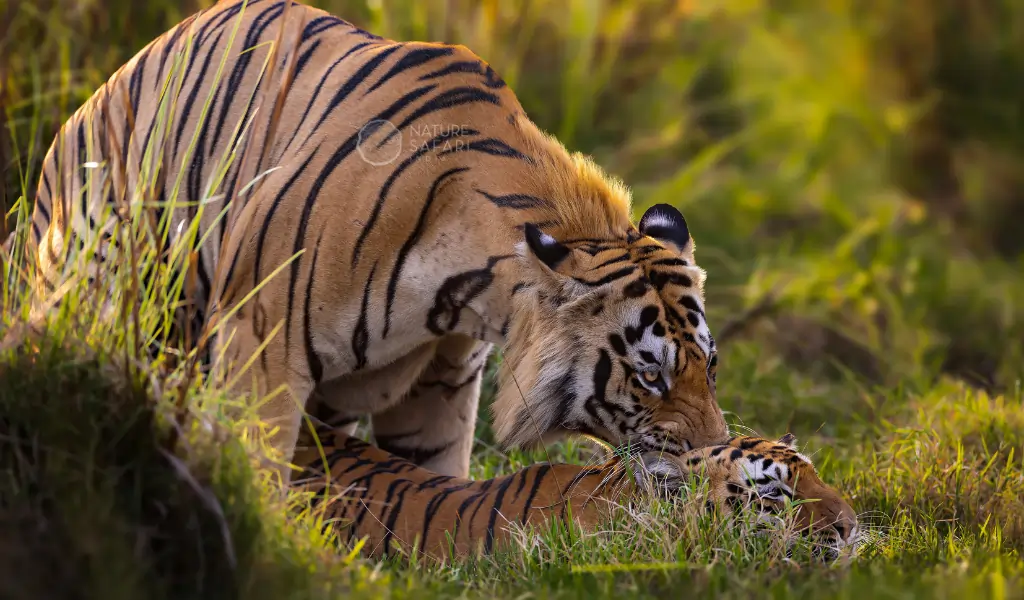
For up to two years, cubs stay with their mother and learn how to hide, hunt, and most importantly survive. Male tigers don’t help raise cubs and could be dangerous if you come across one.
Threats & Conservation Efforts in India
Despite successful progress, the conservation of Bengal tigers continues to face serious threats:
-
Poaching and illegal wildlife trade
-
Habitat fragmentation
-
Human – tiger conflict
-
Climate change impacts
Conservation today focuses on corridor protection, technology-driven monitoring, and community engagement.
Sariska and Panna Incidents: A Conservation Wake-Up Call
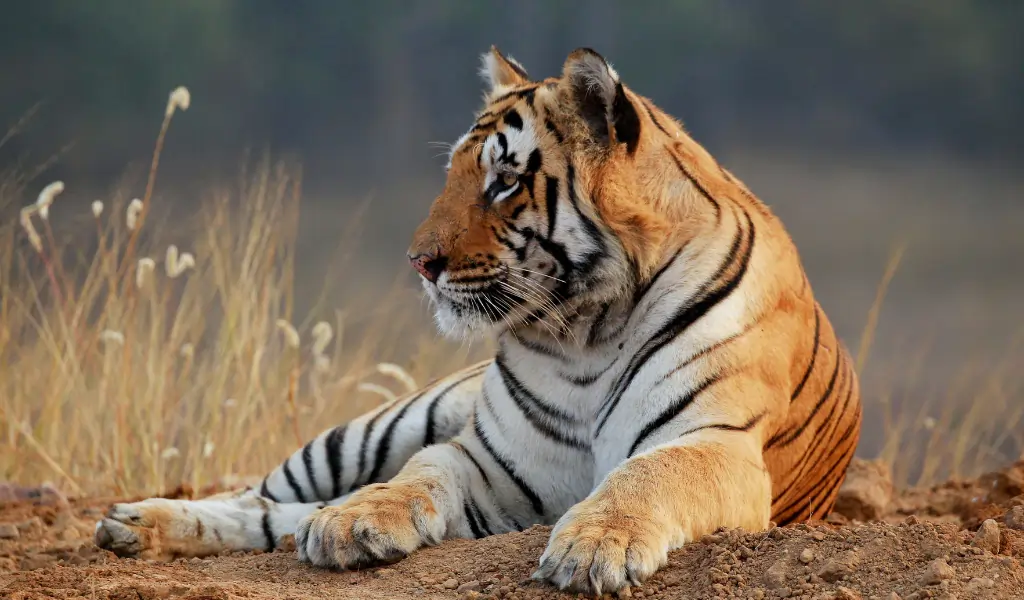
It was in 2004 that the Sariska Tiger Reserve was cleared out of Bengal tigers, and not long after, in 2008 Panna Tiger Reserve was also cleared out of Bengal tigers. All of the tigers in the Sariska and Panna tiger reserves were killed by poachers; they became sad emblems of failure, even though Project Tiger was still going on. These events startled the whole country and showed how weak protection and government are.
Then the Tiger Task Force was set up in reaction to this tragedy to make protection stronger, make departments more accountable, and give them more power in order to conserve wildlife. This was a turning point for tougher enforcement and scientific conservation.
Reintroduction in Sariska and Panna
-
Sariska received tigers from Ranthambore Tiger Reserve.
-
Panna was revived with tigers from Kanha, Pench, and Bandhavgarh National Parks.
Both tiger reserves now successfully host breeding populations of Bengal tigers, proving that recovery is possible with commitment and care.
How Tourism Affects the Bengal Tiger
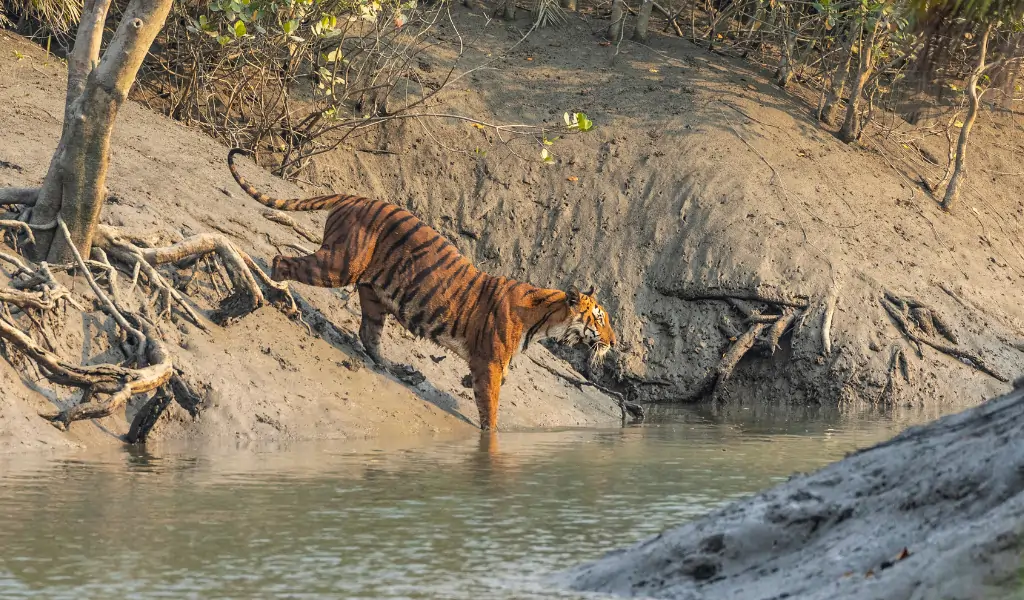
Responsible wildlife tourism measures are very important for the conservation of not just Bengal tigers but also for all the wildlife. It helps local tribes make a living, helps forest agencies, and raises awareness around the world about how to safeguard tigers. Responsible tiger safaris combine appreciation into action, making sure that the pride of the jungle keeps thriving not only in memory but also in the wild.