Trip highlights & Overview.
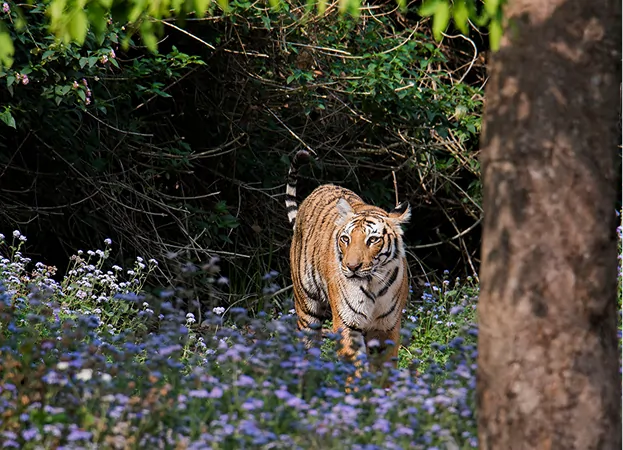
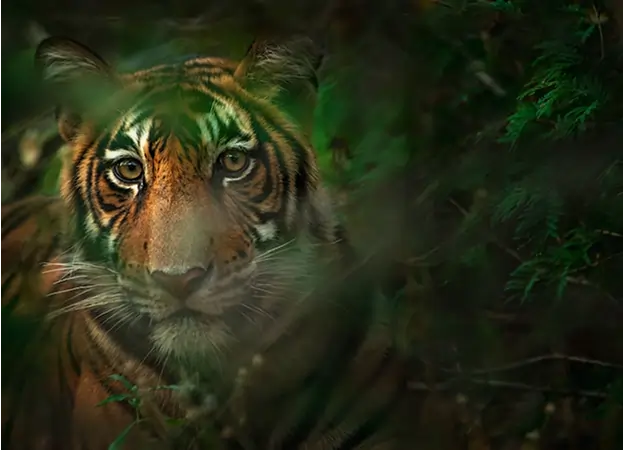
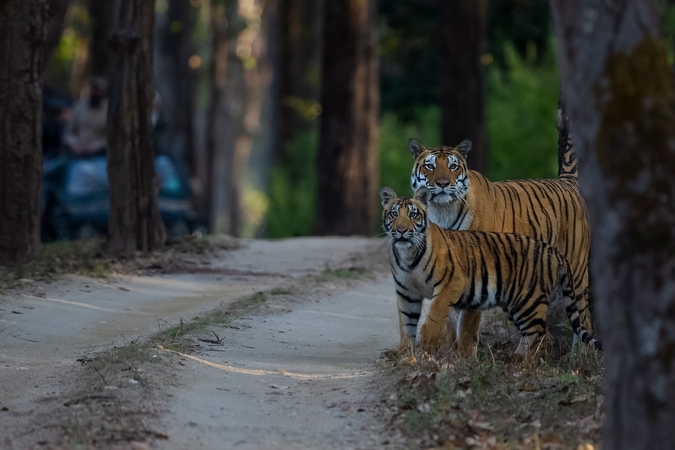
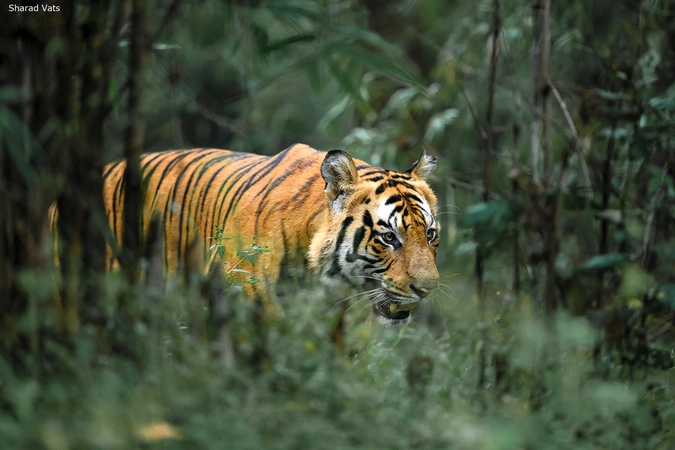
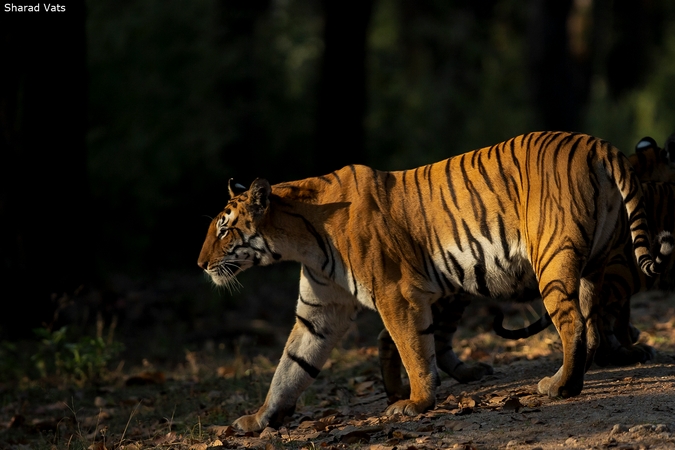
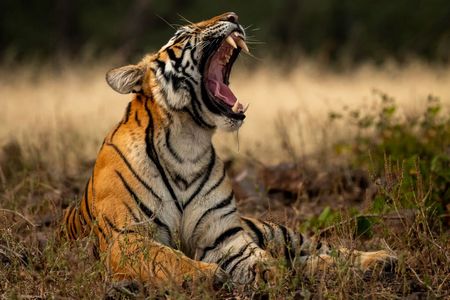
- Striped marvels: Royal Bengal Tigers in Sundarbans mangroves.
- Stealthy leopards prowling ancient ruins.
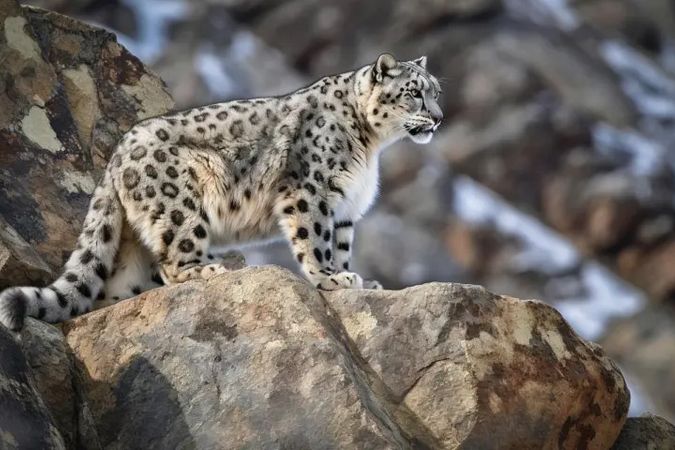
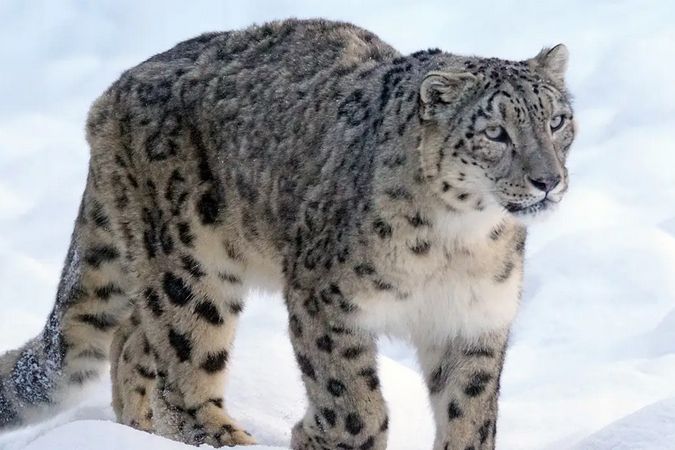
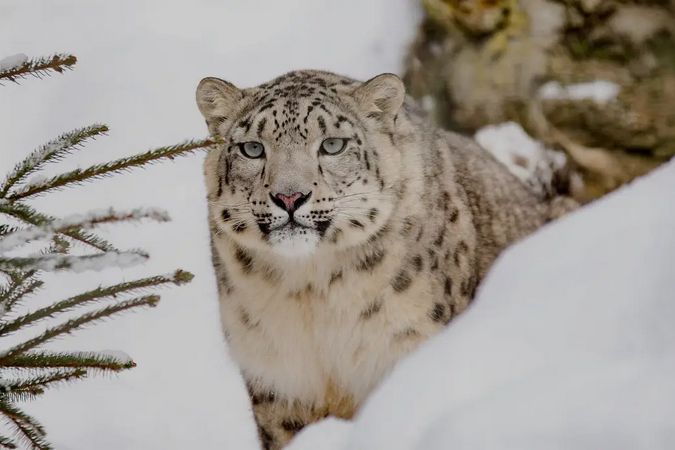
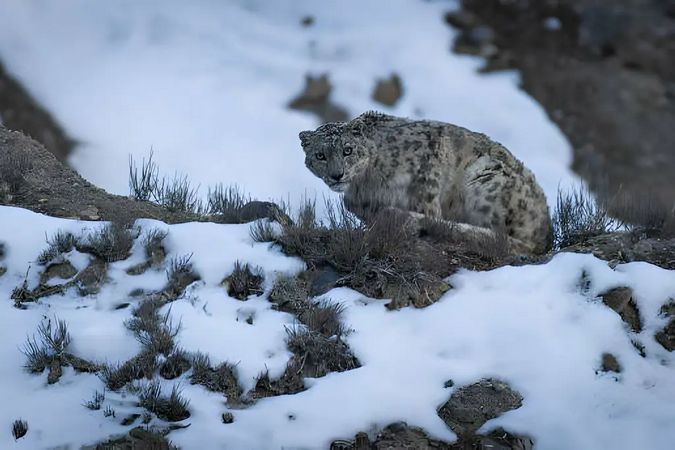
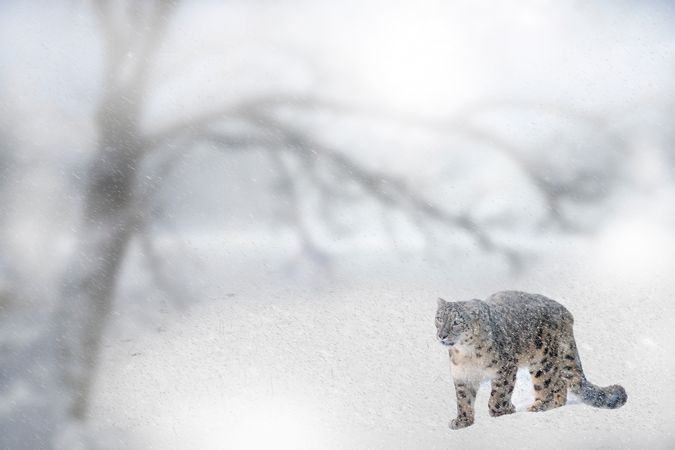
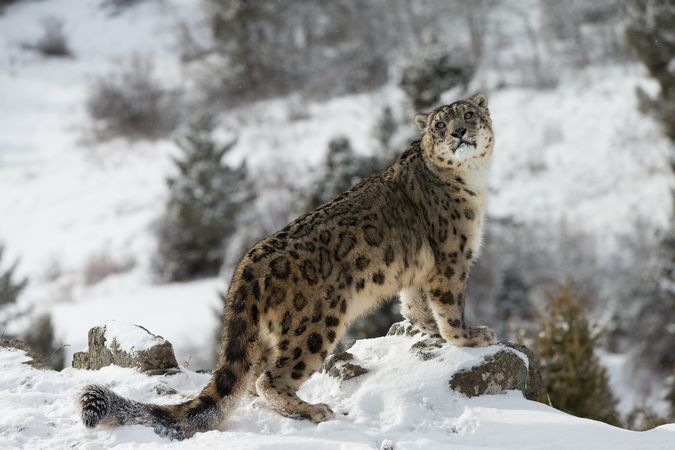
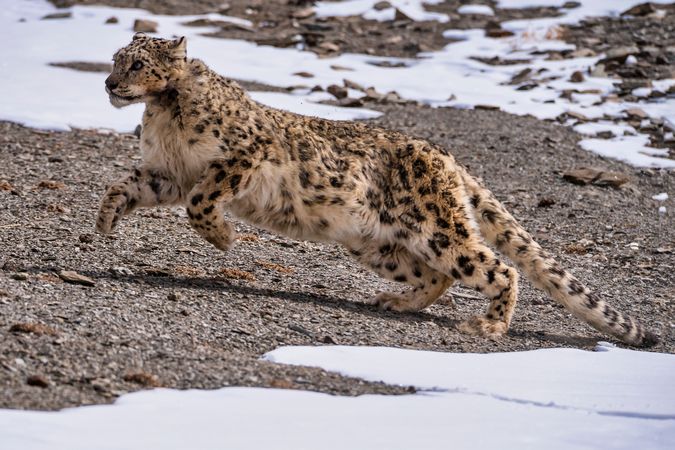
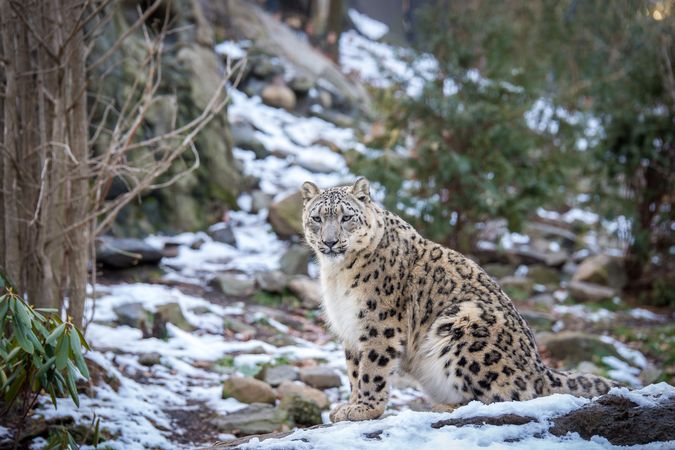
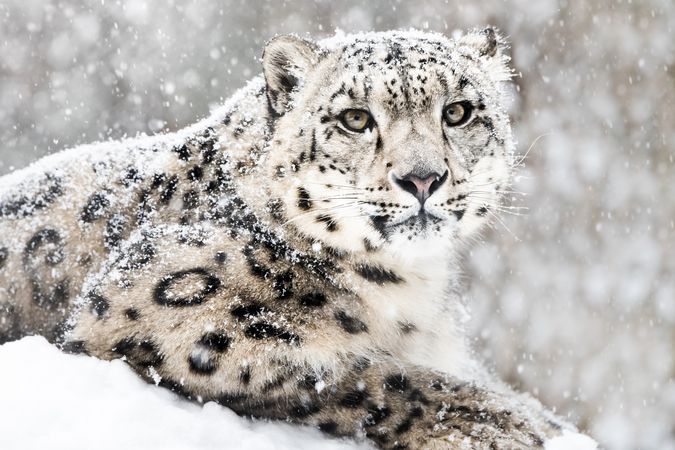
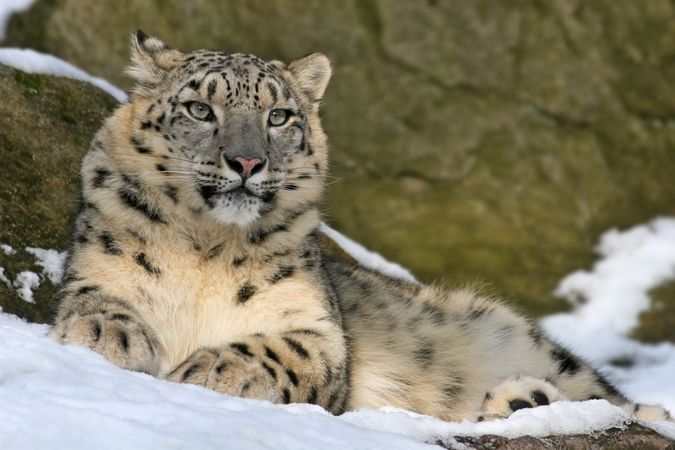
- Elusive snow leopards amid Himalayan peaks.
- Rare glimpses of clouded leopards in northeastern jungles.
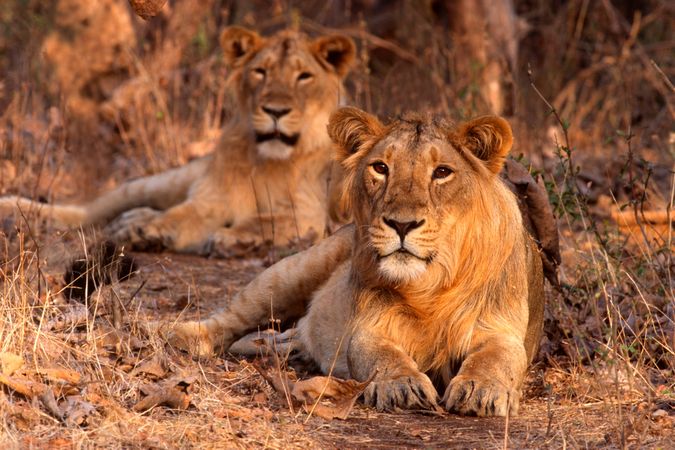
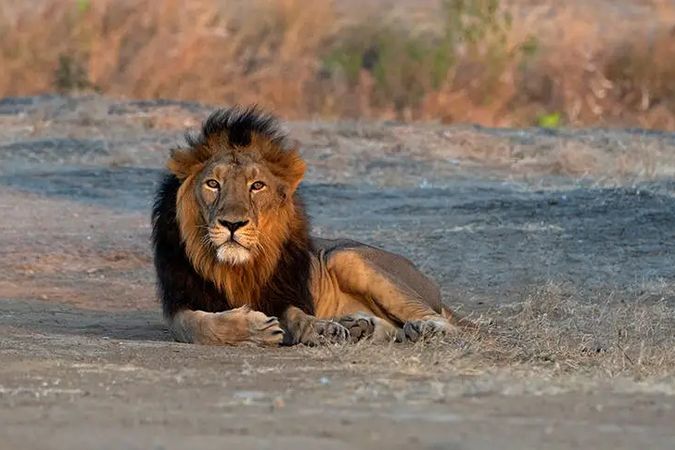
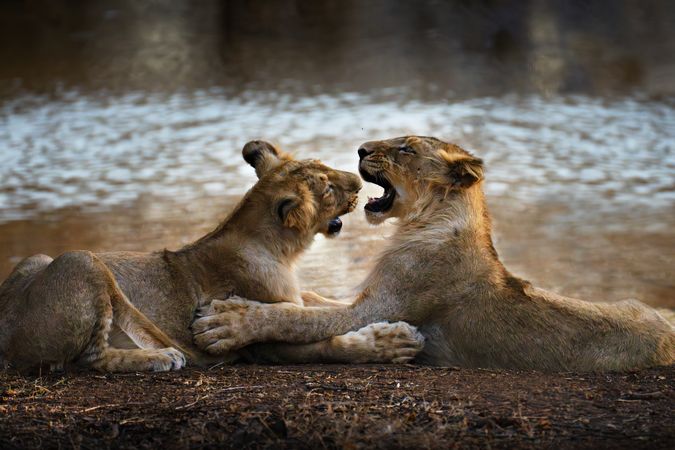
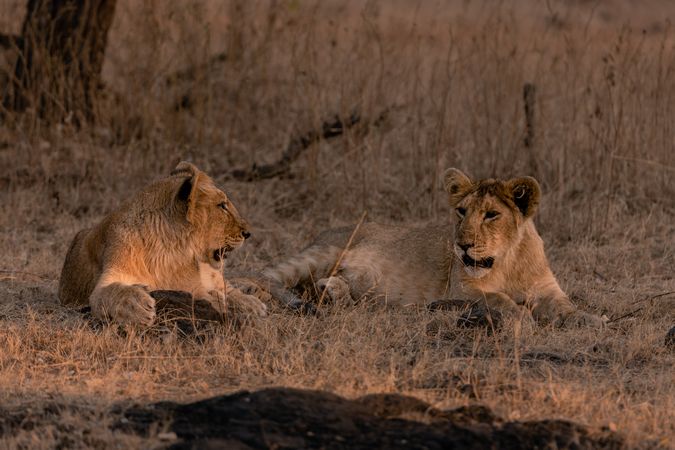
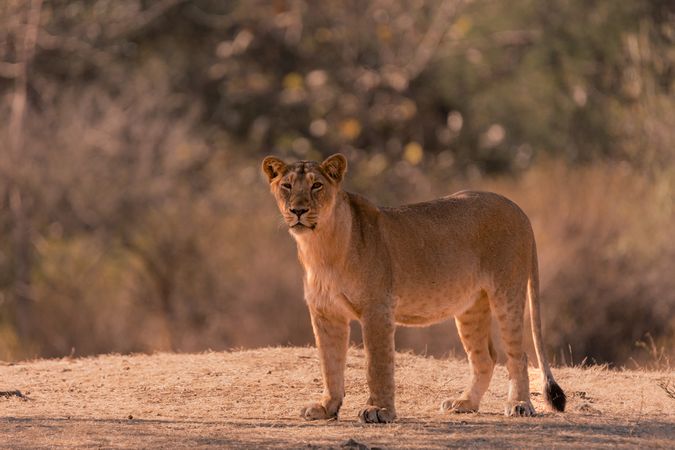
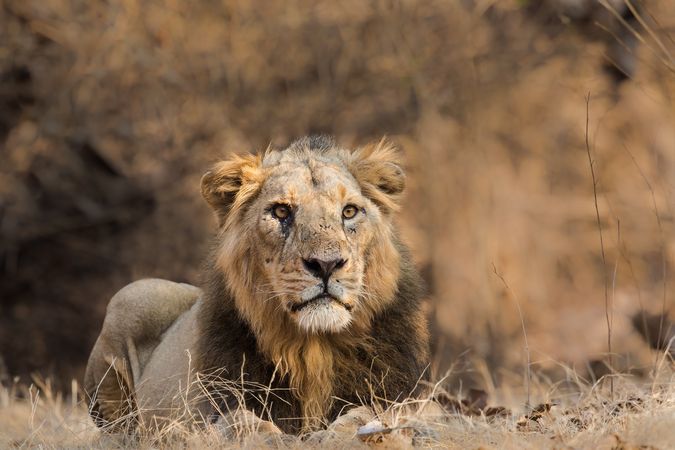
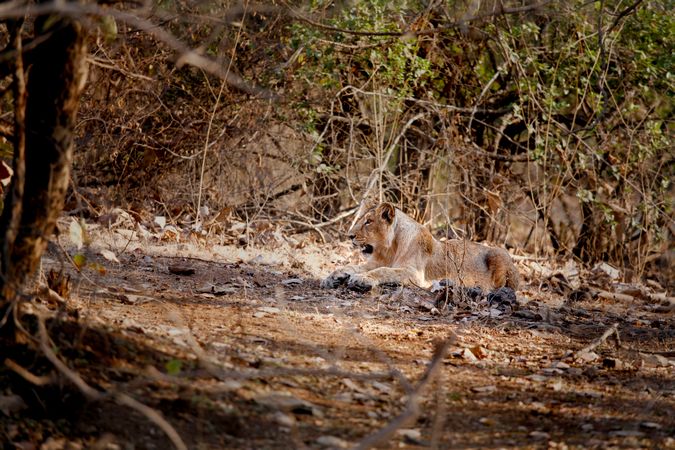
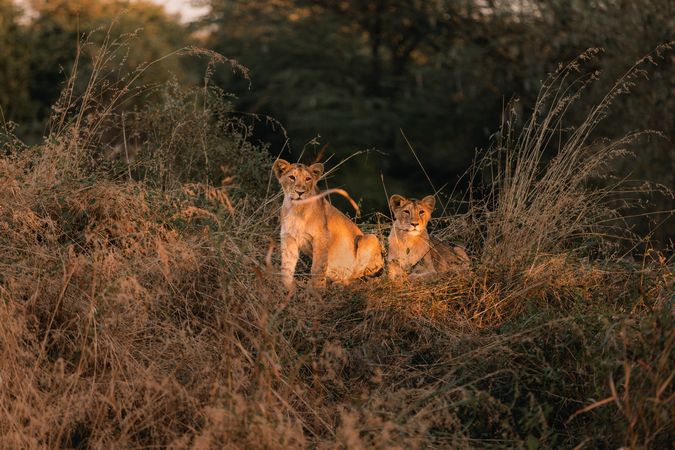
- Graceful Asiatic lions ruling Gir National Park.
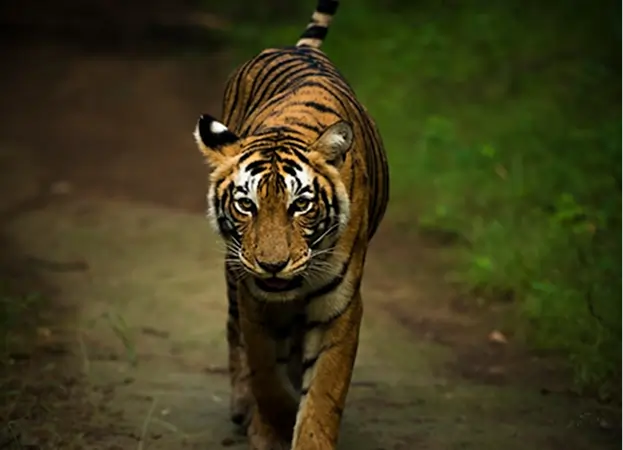
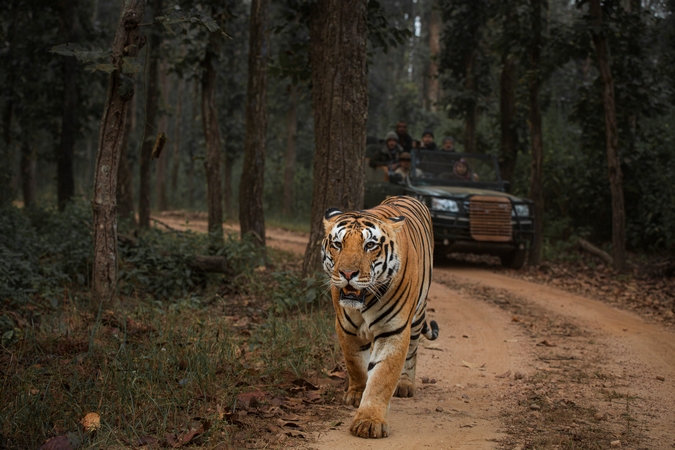
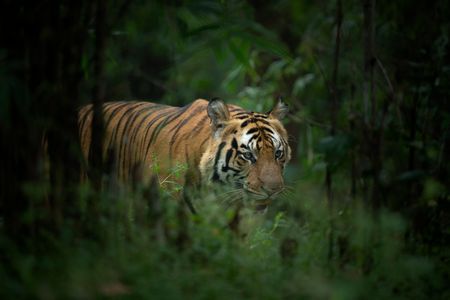
- Majestic Bengal Tigers in dense forests.
Detailed Itinerary for Big Cats of India Tour.
Day 1 : Arrive in New Delhi (By Flight)
Day 2: New Delhi – Agra (220 kms/4 hrs drive)
Our representative will meet you at your hotel after breakfast and introduce you to our driver. You will be taken to Agra by car. You will travel 220 km in around four hours on this trip. When you get there, check in at the hotel. After that, you go to the red sandstone Agra Fort, which is shaped like a crescent on the banks of the Yamuna River. It has 20-meter-high walls that are hard to get through and a 12-meter moat between them. Three Mughal emperors—Akhbar, Jehangir, and Shah Jahan—built this huge building in the style of Hindu and Muslim architecture. [The Taj is closed on Fridays].
Stay in Agra overnight.
Day 3: Agra – Ranthambore (265 kms/5 hrs drive)
You go to see the famous Taj Mahal at dawn, which is considered the best view of the Taj Mahal. The Mughal Emperor Shah Jehan built it in the 17th century for his wife, Mumtaz Mahal. It was a place where Persian, Muslim, French, Italian, and Hindu architecture could all come together. This white mausoleum has stood beautifully for hundreds of years.
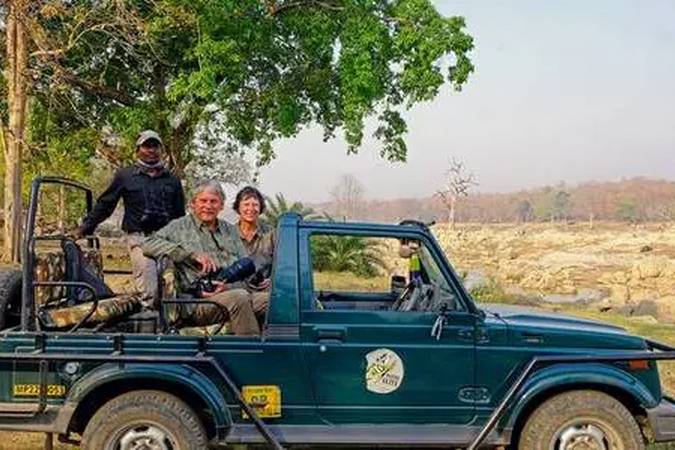
After breakfast, drive to Ranthambore National Park, which is your first stop in your big cats of India tour. This is a 265-kilometer drive that will take you roughly five hours. After reaching Ranthambore, check in and then go to lunch. After lunch, go on your first tiger safari in India in the famous Ranthambore National Park.
Ranthambore is in the state of Rajasthan and is made up of different protected areas that have different conservation histories. These areas are connected with the main national park through the corridors and forests and together form the Ranthambore tiger reserve. Ranthambore National Park, Keladevi Sanctuary, and the Sawai Madhopur Sanctuary are three separate protected areas of the reserve.
Dinner and overnight at the lodge.
Day 4 - 5: In Ranthambore National Park
Tiger safaris at Ranthambore National Park in the morning and at night. You will have all your meals and stay overnight at the resort.
Ranthambore is in an area that is recognized as the hub of birds, in addition to plants and animals. Ranthambore is a birdwatcher’s delight with 300 different kinds of birds. Some interesting birds that live in the area are the Large Cormorant, Painted Spurfowl, Bronzed Winged Jacana, Sandpiper, Kingfisher, Nighjar, Painted Sandgrouse, Great Horned Owl, and many species of migratory birds that come to Ranthambore and the surrounding areas from their nesting grounds in the Northern Himalayas during the winter.
Ranthambore tiger reserve covers 1411 square kilometers. The name comes from the thousand-year-old fort that still stands tall over the forest. The area has rocky hill crests that drop down to wide valleys between the Aravali and Vindhya ranges. There are also water springs and fruit trees scattered throughout. Ranthambore is a very rare and unusual place where a natural present meets a historical past. It is well known for the frequent daytime sightings of the tigers.
Dotted across the landscape are the crumbling ruins of the past glory that has been witnessed by Ranthambore; palaces and old guard posts encompass the magical and ethereal quality of this great wilderness.
Day 6: Ranthambore – Jaipur (180 kms/3 hrs drive)
Morning jeep safari to the national park. Post the morning safari, drive to Jaipur. This is a 180 km journey and should take you about 03 hours on the road. On arrival check in at the hotel and take the rest of the day at leisure.
Painted in the color of Hospitality, the pink city of Rajasthan, Jaipur, is the epitome of Rajput culture. The land of fairy-tale palaces, rugged fortresses perched on barren hills and broad avenues, is extremely photographic and picturesque. The first planned city of its time, Jaipur is time-bound by a formidable wall. Overnight stay at Jaipur.
Day 7: Jaipur – Bera (390 kms/7 hrs drive)
After breakfast, drive from Jaipur to Bera. This journey will cover 390 km (07 hours) through the countryside to reach Bera. Located in Rajasthan, it is close to Jawai Dam. Known for its magnificent sightings of leopards, the experience of sighting one is unique and different. It is not a jungle or a forest; instead, you will sight Leopards in the rocky outcrops of the village.
Home to plenty of mammals and birds, Bera is an attraction for wildlife enthusiasts to spot the elusive Leopard, Blue Bull, Crocodiles, Striped Hyena, Pelican, flamingos, Graylag Goose, Robin Accentor, the Demoiselle Crane, and Bar-headed Goose, to name a few.
Evening safari, dinner, and overnight at Bera.
Day 8 - 9: In Bera
Followed by breakfast, experience the golden mornings of Rajasthan with wildlife sightings. Morning & afternoon Safari; also, you can see the village life in this remote corner of Rajasthan.
All meals at the lodge.
Not only Leopards! Another magnificent wildlife habitat Bera is famous for is Crocodiles. They are 15-foot giants. They could be as active as in their hunting process even if they are doing nothing. They don’t move much and are found basking on a piece of rock; hence, they sometimes create a camouflage with the surroundings of the reservoir, and you have to focus on the camera or binoculars as you see them from a distance. They sunbathe for the entire day, and whenever hungry, they simply dive into the reservoir full of fish.
Day 10 - 11: Bera – Ahmedabad – Gir National Park
In the morning, go on a safari to Bera, and then drive to Ahmedabad. It is 290 kilometers long and will take about 5 to 6 hours to drive. When you get there, check in at the hotel. Stay at the hotel overnight.
The next day, after breakfast, get in your car and head to Sasan Gir National Park. It will take you roughly 6 to 7 hours to drive this distance from Ahmedabad, which is 350 km. When you get there, check in at the lodge. Lunch at the lodge. Go on a jeep safari in the afternoon to the national park. Dinner and a night at the resort.
Day 12 - 13: In Gir National Park
Gir National Park is the last refuge of the Asiatic lion, a subspecies. Its conservation started when only a few lions were left, and hunting was stopped in the 19th century by the Nawab of Junagarh. This effort marked a conservation success story in the conservation history of Asiatic lions in India. Today, there are more than 800 lions in the Gir landscape. Apart from the lions, the park is known for its leopards, antelopes, different species of birds, and reptiles. You will do a morning and an afternoon safari to find these majestic predators in the jungle.
Take the morning jeep safari to the park, and after you will drive down to the Rajkot Airport to catch an internal flight back to New Delhi. On arrival at New Delhi, you will be met by our representative, who will assist you with check-in at the Hotel in New Delhi. Overnight at the Hotel.
Day 14: Gir – Rajkot – New Delhi (180 kms/4 hrs drive to the airport + flight)
Take the morning jeep safari to the Park, post which you will drive down to the Rajkot Airport to catch an internal flight back to New Delhi. On arrival at New Delhi, you will be met by our representative, who will assist you with check-in at the Hotel in New Delhi. Overnight at the Hotel.
Day 15: New Delhi - Leh (flight)
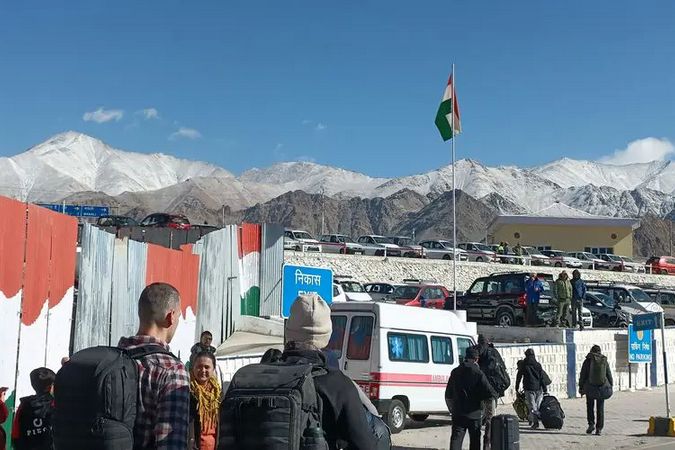
After breakfast, go to the airport to catch a flight to the Leh. It is not allowed to take pictures at Leh airport because it is a military airport. When you get there, you will be taken to the hotel, which is only half an hour from the airport. There is a jump of more than 3000 meters in altitude in a short amount of time when you fly from Delhi to Leh. This is why acclimatization is so vital for everyone flying in this area. The first day in Ladakh is spent getting used to the low oxygen levels.
To help you get used to things better, think about these tips:
• Don’t climb stairs or do hard things.
• Make sure you drink enough water to stay hydrated; hot water is best.
• Don’t take a shower on the first day.
• Don’t nap during the day to avoid having trouble sleeping at night.
- Rest is important, but it’s okay to stroll slowly.
• If you feel sick or throw up, tell the front office right away.
• Tell someone if you feel bad or have any strange symptoms.
Following these measures can make it easier for you to get used to your new surroundings.
Dinner and a night at the lodge.
Day 16: Leh
This day in Leh will be full of cultural experiences and time spent in nature, which will help you get used to the area even more. Since Leh is so high up, spending another day here will help you get ready for the even higher places you’ll see next.
You start your day by going to the Thiksey Monastery, which is the biggest monastery in Leh. This amazing building, which looks like the Potala Palace in Lhasa, Tibet, is a peaceful and spiritually enriching place to visit. You’ll see a lot of Tibetan Buddhist culture, art, and history as you walk through its halls and gardens.
After visiting the monastery, you’ll do your first outdoor activity in Leh: going to the banks of the Indus River. This peaceful place is a birdwatcher’s paradise, and you might even see the rare Ibisbill and other native birds. The time spent by the river not only connects you with the unique avian life of the region but also offers moments of peaceful reflection amidst the natural beauty of Leh.
You’ll go back to your hotel after a full day of exploring and learning. You can relax and recharge for the rest of the day, or you can take a leisurely walk through the adjacent market. A trip to the market gives you a taste of life in Ladakh. You may buy handmade souveni
Breakfast, lunch, dinner, and overnight at the lodge.
Day 17: Leh – Ulley
After a leisurely breakfast, get ready for a thrilling trip to Ulley, a little settlement with only six dwellings that is known for being one of the greatest spots to see snow leopards and other wildlife that lives at high altitudes. It takes about two and a half hours to get from your hotel to Ulley. When you leave the outskirts of Leh, you’ll see the stunning splendor of the Trans-Himalaya.
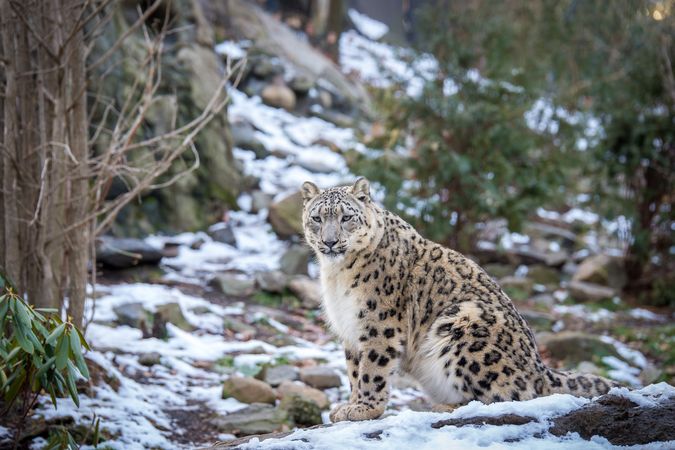
You’ll soon reach a beautiful place called Sangam, where the Indus and Zanskar rivers meet. This is right after you get on National Highway 1. This is a great chance to take pictures at the time when these two big rivers meet. As you make your way to Ulley, you’ll pass through a number of Ladakhi settlements and military bases, getting a taste of the area’s unique culture and scenery. If our team hears about a snow leopard sighting along the way, they will go to the spot where your lunch will also be served. If not, you will keep on to the resort. The road to Ulley winds through the high Himalayas, where it leads you to your lodge, where you’ll be greeted with tea and coffee. After you’ve settled in and eaten lunch, the adventure continues with a trip to adjacent areas where the rare snow leopard is often seen. Dedicated trackers go out every morning to look for this amazing animal. They share any sightings or signs to make sure everyone has the highest possibility of seeing a snow leopard in the wild.
After a day of exploring and the excitement of looking for the snow leopard, head back to the lodge for the night. You can relax and think about the day’s activities over dinner here before going to bed in your accommodation to get some much-needed sleep. You’ll be ready for whatever the next day brings on this amazing journey across the Himalayas.
Day 18: Ulley
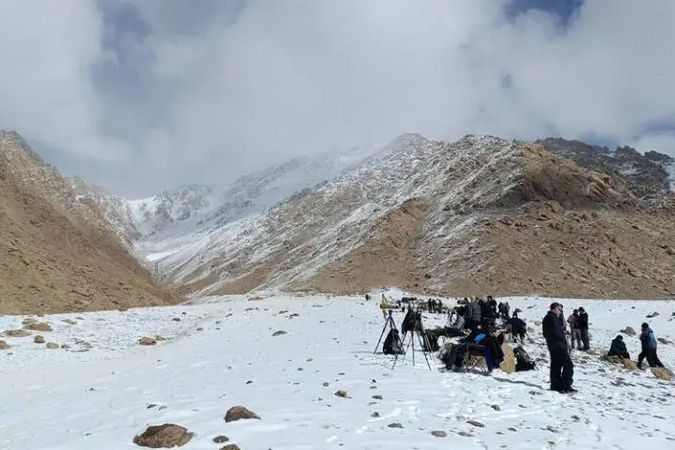
Get up early, put on your cold clothing, and go outside. The lodge’s trackers will be looking over the mountainside. If you join them, you might see an ibex, a red fox, or, if you’re lucky, the first snow leopard just outside the lodge. Some of our guests have seen snow leopards here before. If not, get ready to go out after breakfast and look for them. If the team hears about a snow leopard or any interesting sighting, they will go right to the spot. It can be near the road, or you might have to walk or even hike to get there. Get ready to do some hiking. You can see them with a spotting scope or, if they’re close enough, with your own eyes or binoculars when you get there. If you bring a mobile holder for your spotting scope, you can take clear images of the snow leopard with your phone.
In the evening, go back to your lodge and talk to other people about what you saw that day before going to bed.
Day 19 - 20: Ulley
The same joy comes with another day. Nothing is arranged ahead of time on this tour; everything happens depending on what you see of the snow leopard. Get ready to join the team in the morning as the trackers look for any activity on the huge cliffs and mountains around them. It’s hard to see an animal in these mountains because they blend in so well with their surroundings. You can only hope to see them if you look closely with eyes that are used to the area.
After breakfast, you’ll go on a drive to look for snow leopards, the Tibetan wolf, and other animals. While looking for the snow leopard, you might see several unusual birds that live in the Trans-Himalayan region. The Golden Eagle is a big bird of prey that hunts animals as big as foxes and young Himalayan ungulates. The Lammergeier or Bearded Vulture is the biggest vulture species, with a wingspan of 2.31 to 2.83 meters. Bearded vultures eat dead animals, especially bones. They lift the bones up high and then drop them to break them apart so they may eat the bone marrow. You might also see the Himalayan Snowcock, Chukar Pheasant, Red-billed Chough, Robin Accentor, Eurasian Magpie, Brown Accentor, and other birds. After a long day of looking for the snow leopard, go back to the resort and go straight to bed after dinner to get ready for the next day.
All Meals and overnight at the lodge.
Day 21 - 22: Ulley
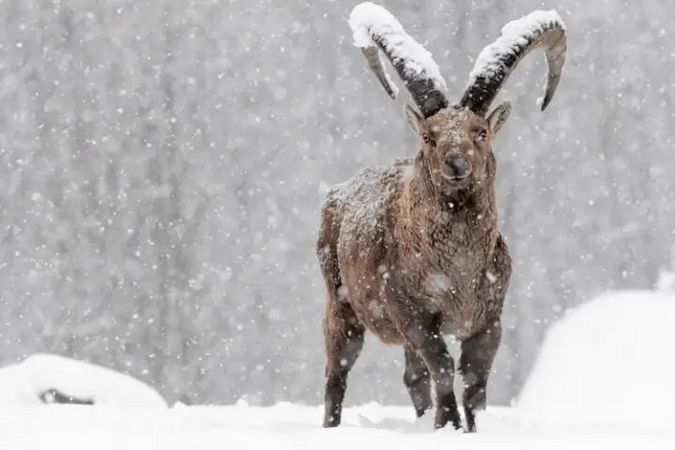
Spotters also go to the settlements of Saspoche and Hemis Shukpachen, which are close by, to look for the snow leopard. These two settlements are great places to see both snow leopards and wolves. A small pack of 5 to 8 wolves lives in this area between these two communities. While trekking in search of the snow leopard, other animals you may encounter roaming the Trans-Himalayan cliffs include the Ladakh Urial and Asiatic Ibex.
All Meals and overnight at the lodge.
Day 23: Ulley – Leh
Get ready for your trip to Leh in the morning, depending on the weather.
This is your last chance to see the rare snow leopard again on this tour, so don’t miss it! Get up early, get ready, and join the search team to look around the neighborhood. If you see something intriguing, you can wait to leave for Leh, but you have to leave the lodge before it gets dark. We’ll also look at spots where we might see animals on the way back. When you get to Leh, take a break and, if you have time, walk around the market. You might want to purchase here to get some souvenirs to take home. Food and a place to sleep at the hotel in Leh.
Day 24: Leh to New Delhi
After a leisurely morning, go to Leh airport to catch a flight to New Delhi. When you get to the airport, our representative will meet you and take you to your hotel.
Day 25: New Delhi – Fly home
After a leisurely breakfast, you will be taken to the international airport to catch your flight home, depending on the timetable.
Get a Call Back
Tour Gallery for Big Cats of India Tour.
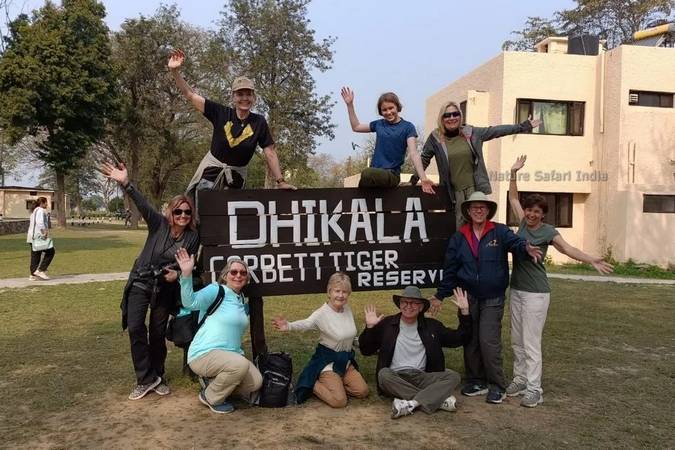
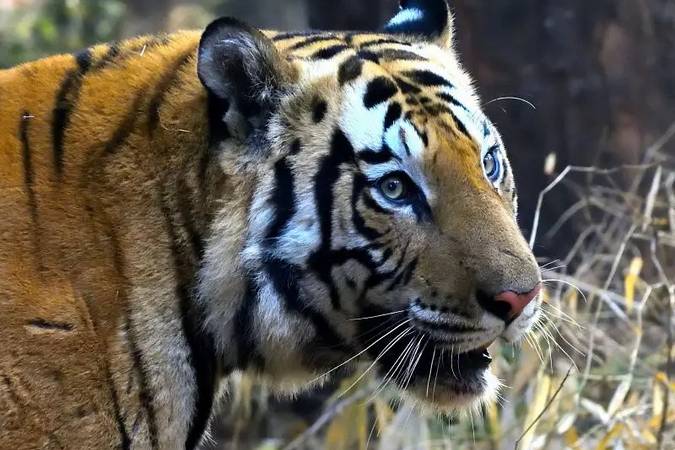
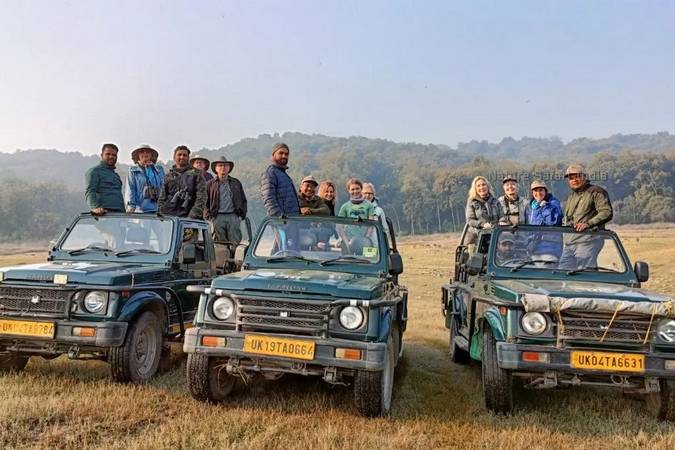
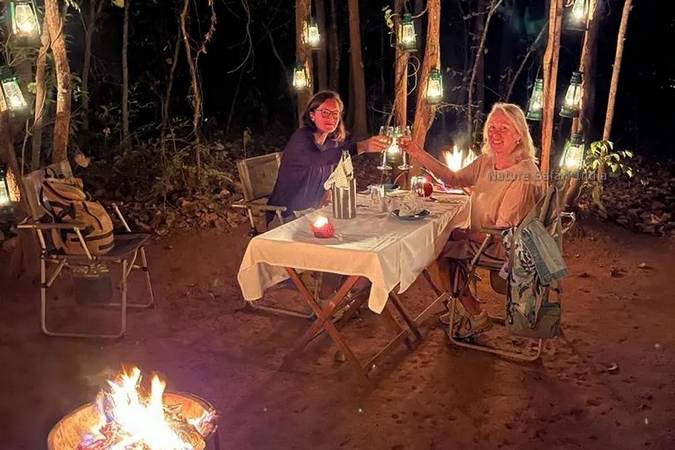
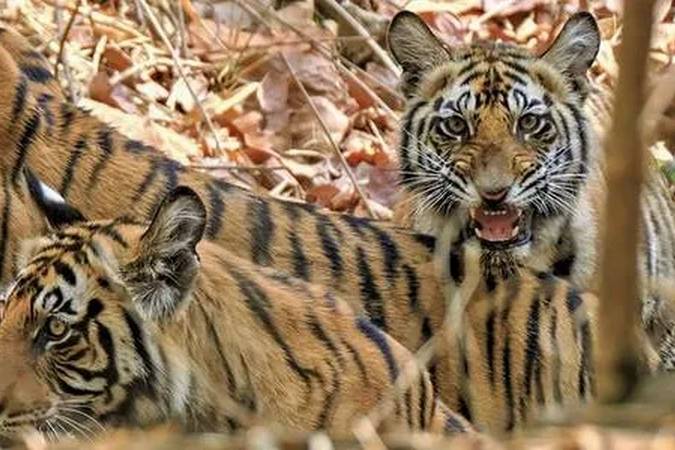
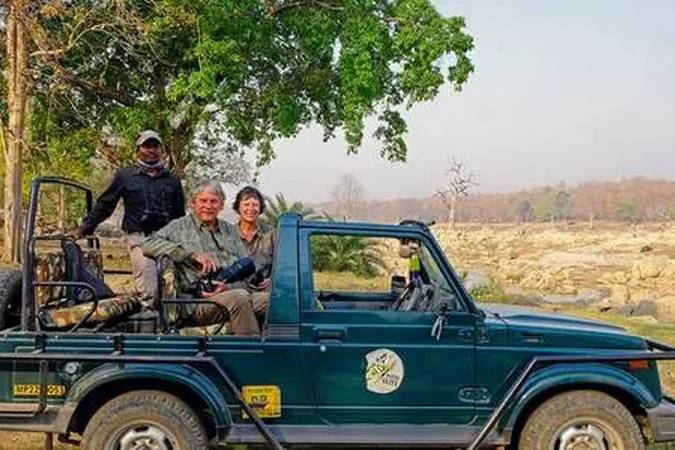
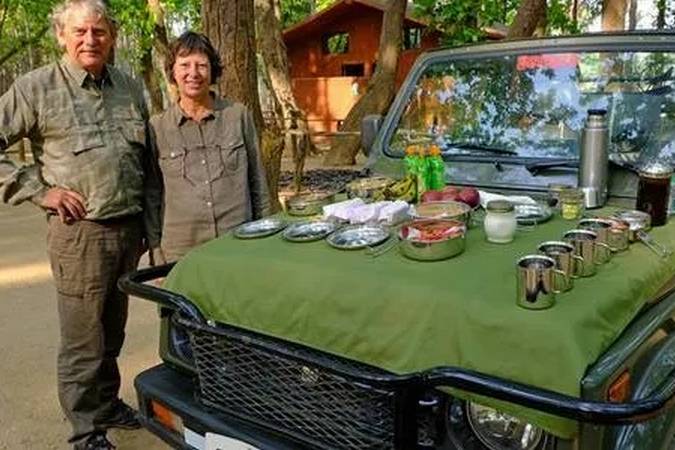
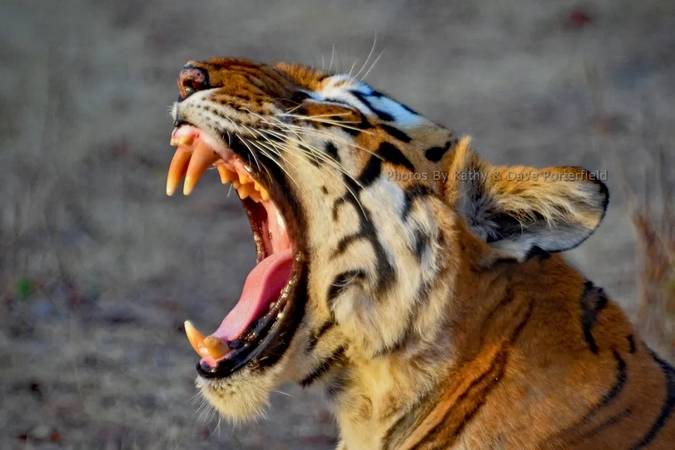
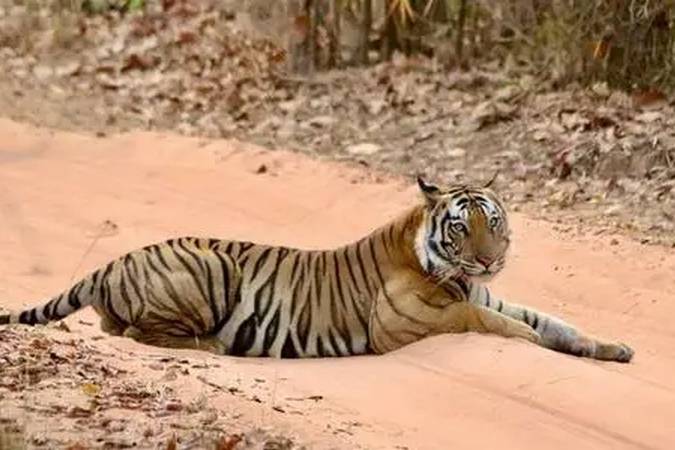
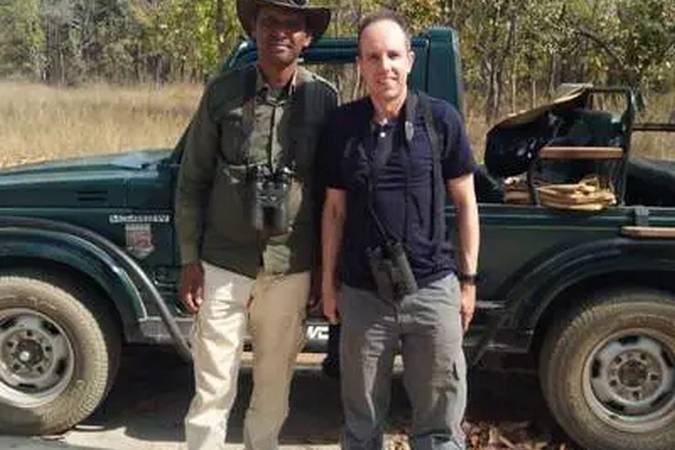
Enquire today for your tiger safari in India!
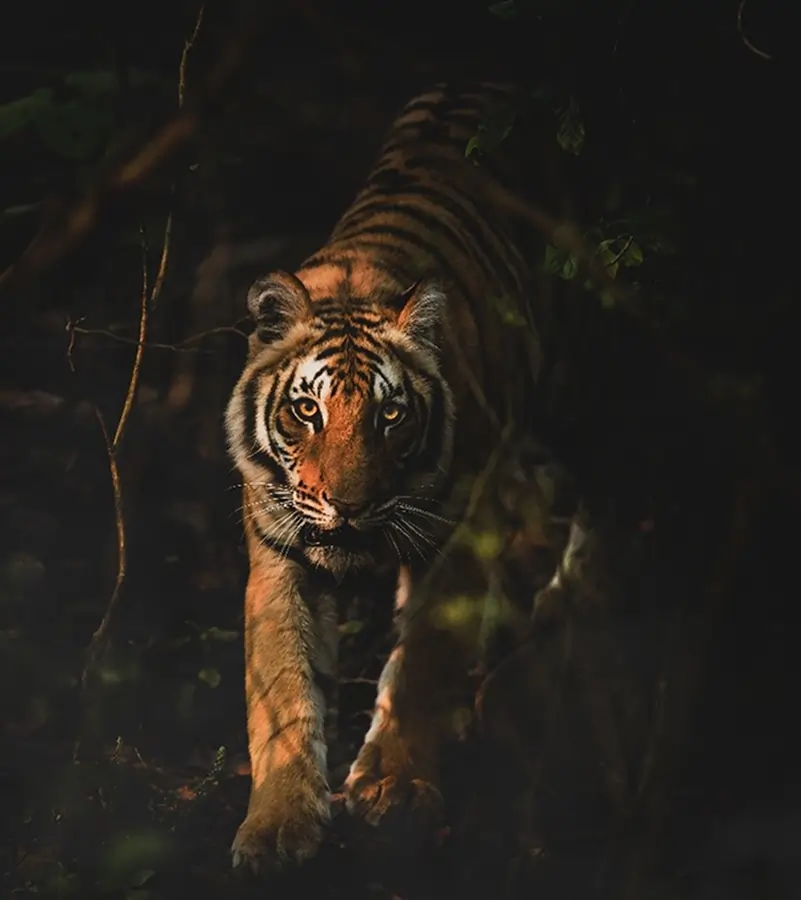
Hotels & Accommodations.
Roseate House Aerocity
Holiday Inn Aerocity
Pride Plaza Aerocity
Sawai Vilas
Ranthambore Kothi
Tiger’s Den Resort
Vanyavilas Wildlife Resort
Aramness
Asiatic Lion Lodge
Postcard Resort
Gir Birding Lodge
Inclusions & Exclusions.
Trip Inclusions
- Accommodation in New Delhi, Jaipur and Ahmedabad on rooms and breakfast basis
- Accommodation in Ranthambhore, Bera and Sasan Gir on room, all meals and jeep safari basis
- Accommodation in Leh on Bed, breakfast and dinner
- Accommodation in Ulley on room and all meal basis
- Wildlife entry fee for Ulley
- Stay at Ulley on full board at the Above & beyond Lodge
- Transportation as per the itinerary for sightseeing, and during the tour
- An English-speaking guide throughout the tour
- Monastery entrance fee
- Your entrance fee and guide charges in Ranthambhore, Bera and Sasan Gir
- 7 Exclusive jeep safaris will be provided in Ranthambhore
- 6 Exclusive jeep safaris will be provided in Bera (3 – 4 other guest in jeep)
- 6 Exclusive jeep safaris will be provided in Sasan Gir
- Your entrance and guide fee in Agra sightseeing on exclusive basis
- All land transfers in air-conditioned Toyota innova/Crysta
- All currently applicable taxes
Trip Exclusions
- International and domestic airfare
- Still / video camera fee in the monuments and national parks.
- Expenses of personal nature like Tips, smokes, liquor, laundry and telephone calls.
- Travel insurance
- Anything not mentioned in the inclusions.
Why Travel With Us?
1. Tours planned by experts
2. Customized and Flexible Tours
3. Local Expertise
4. Responsible Tourism
5. 24×7 Support
6. Safety and Comfort
Our Team.
Vibhav Srivastava
Naren Malik
Sanjay Thakre
Sanjay Gupta
Testimonials and Experiences.
Dawn NMay 30, 2025



More tiger safari tours in India.